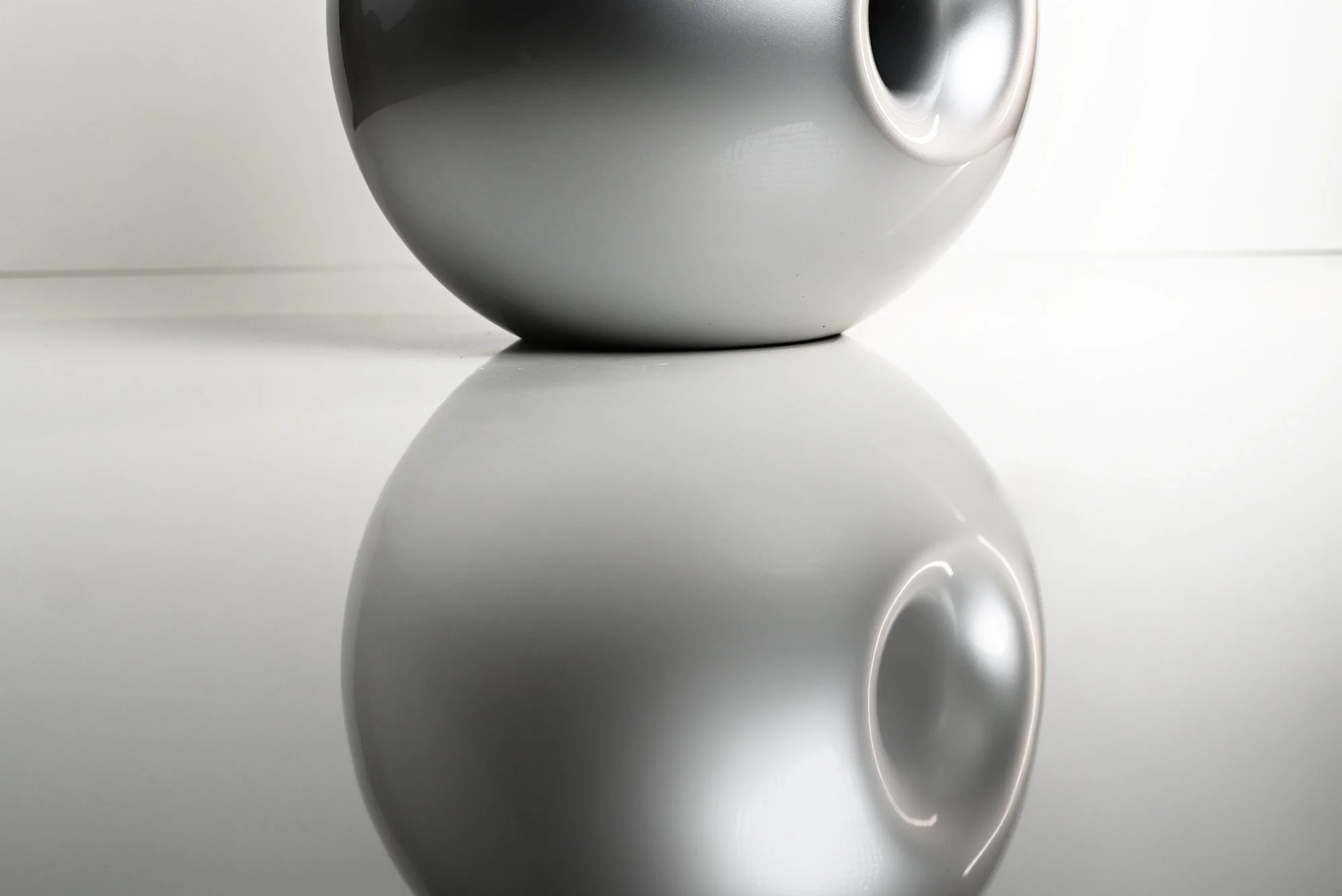
Origins of the Practice
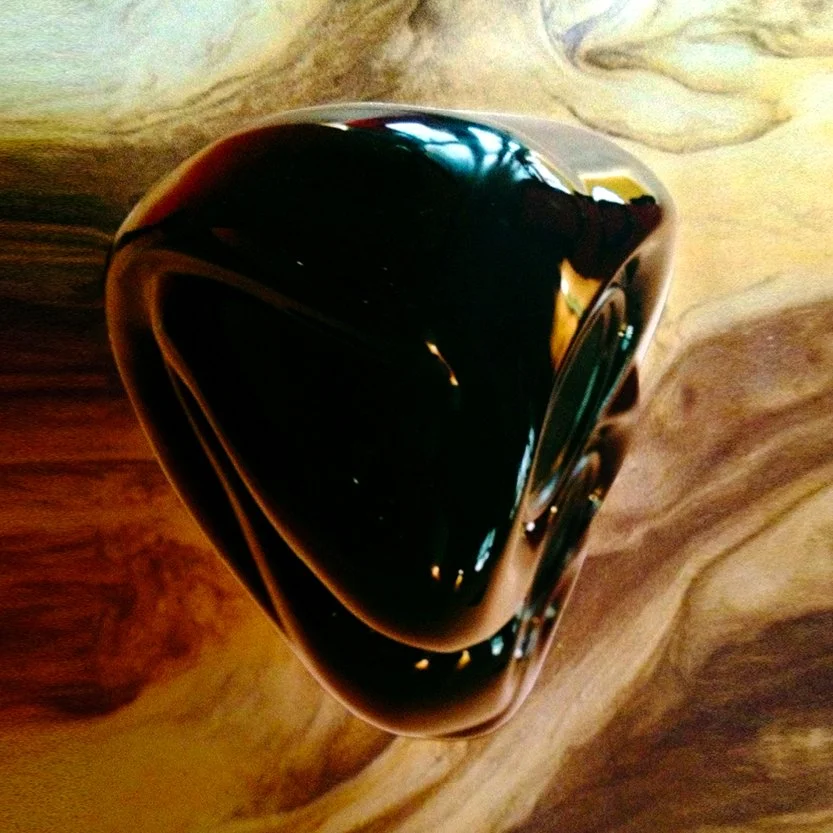
Sound + Image + Object
In the beginning
I remember the first time a low-frequency vibration seemed to ripple through the room. I was in a small studio, bare floorboards humming underfoot as the sub-bass rolled out from a single speaker in the corner. A half-full glass on the desk trembled, and I watched the surface of the water shudder along with the sound. The air felt as if it pressed against the walls and made the atmosphere itself dense and touchable. That moment revealed sound not just as something to be heard, but as something physical, capable of shaping space and perception. The current body of work originates in an earlier exploration of sound as a physical and visual system.
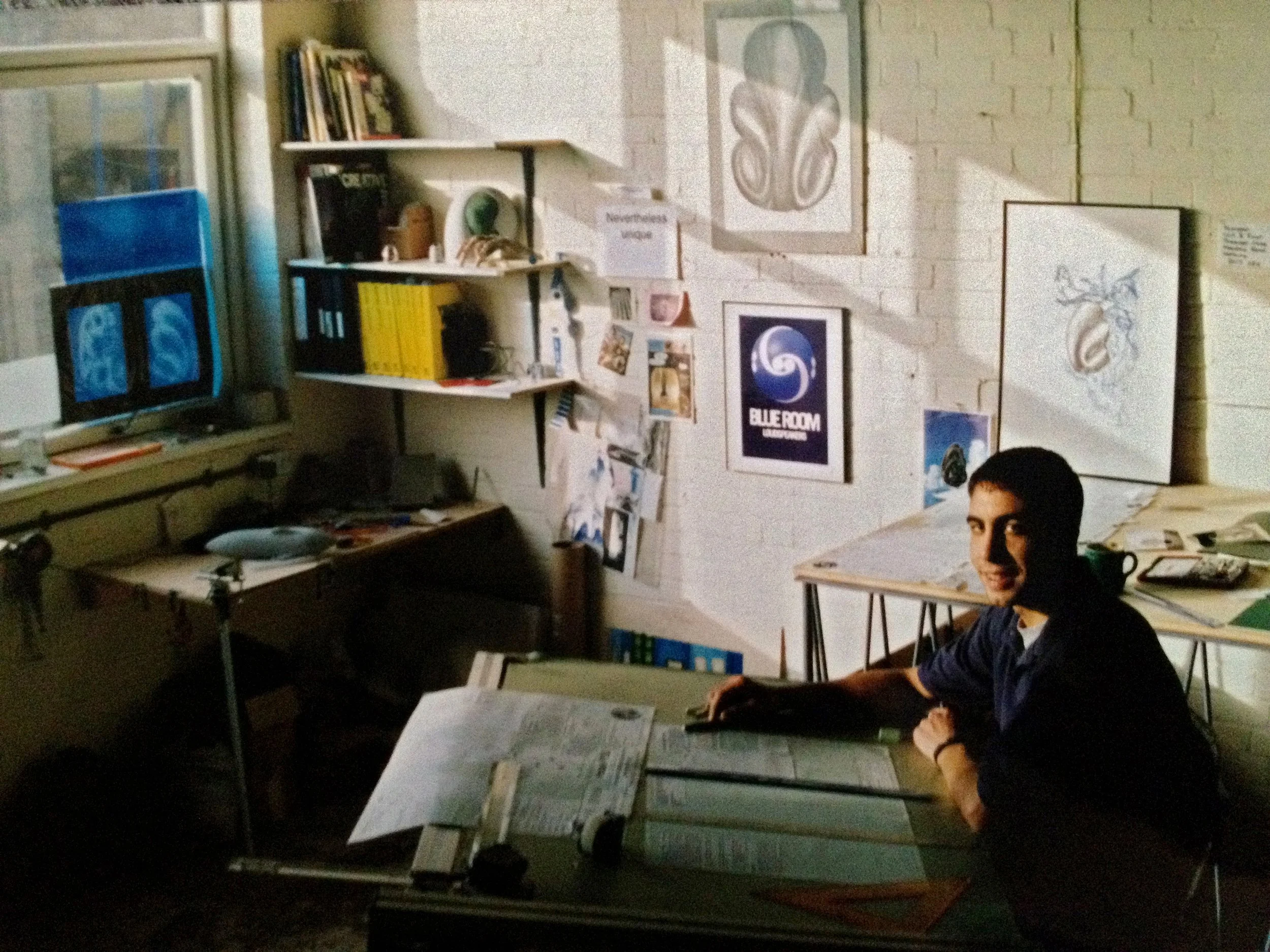
Through Blue Room, design, music, identity, and object were developed as a unified language — where sound informed form, image shaped perception, and objects became cultural signals.
This period established the principles that continue to define the work today.
Foundation of the Simon Ghahary practice.
1990s — Blue Room Founded
2000s — Visual & System Development
2010s — Sculptural Object Exploration
Present — Spatial Sound & Installation
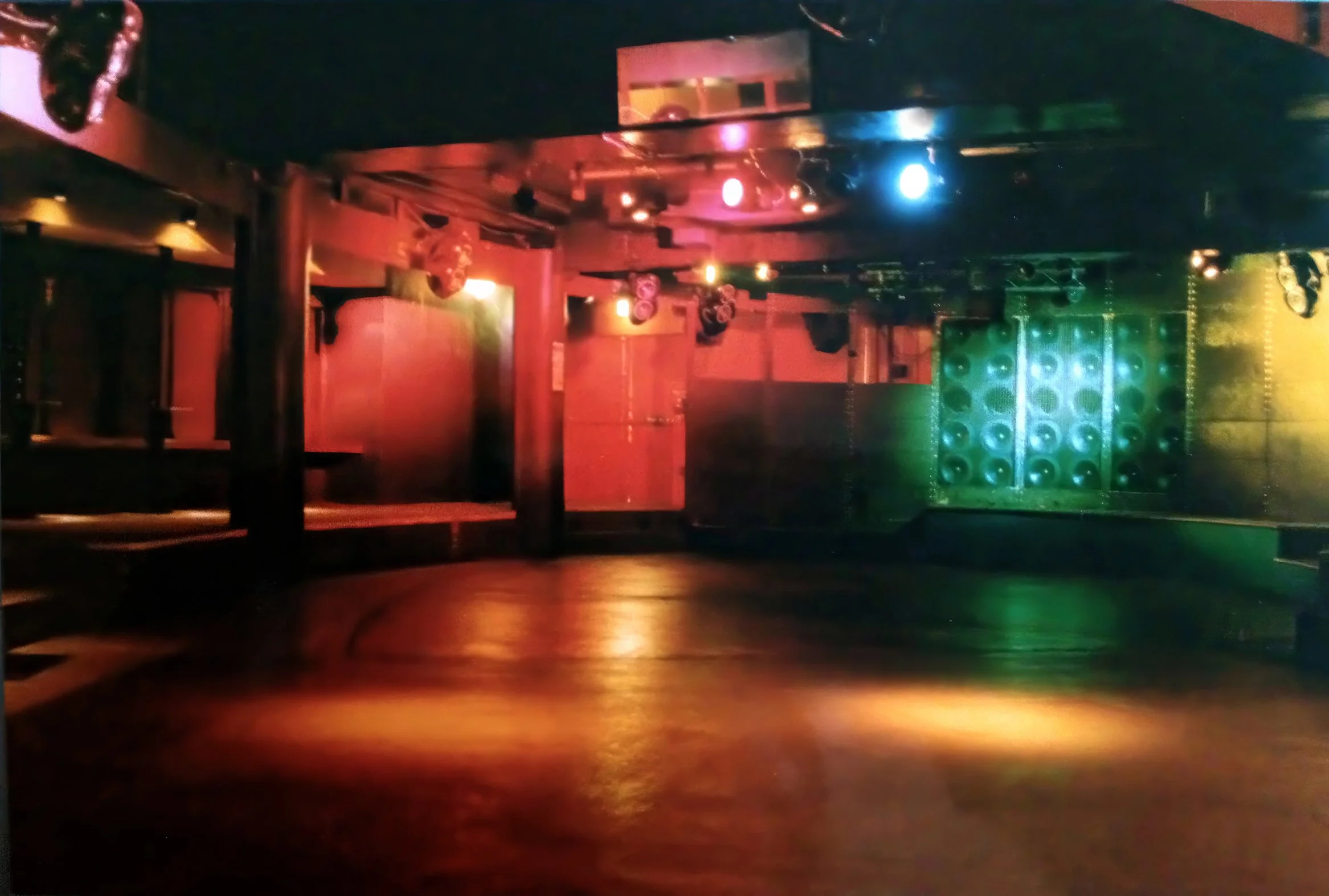
1990’s - Blue Room
- Sound as System
Blue Room began as a sound system design evolving into a music label and cultural platform exploring the relationship between sound, technology, and form.
The work extended beyond music into:
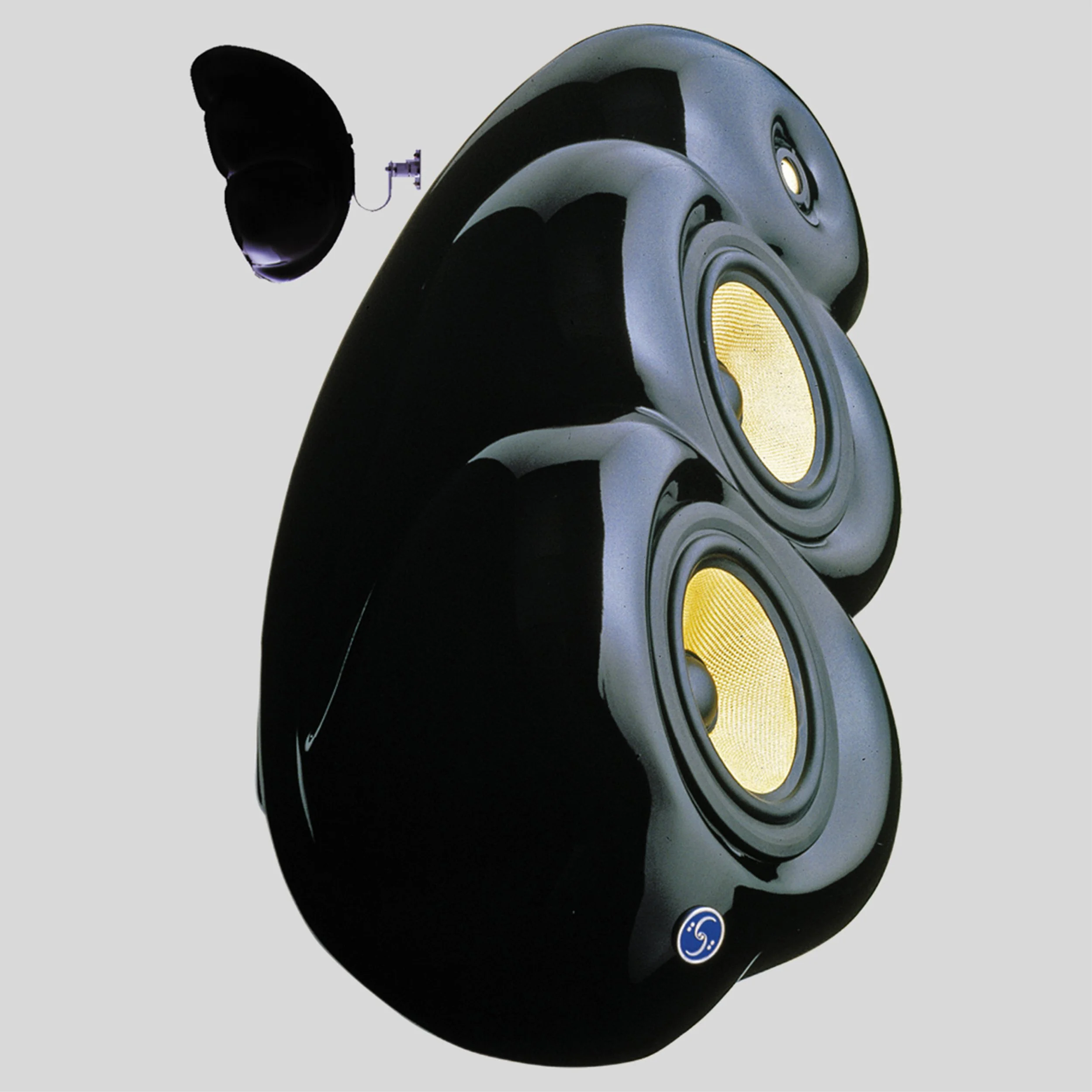
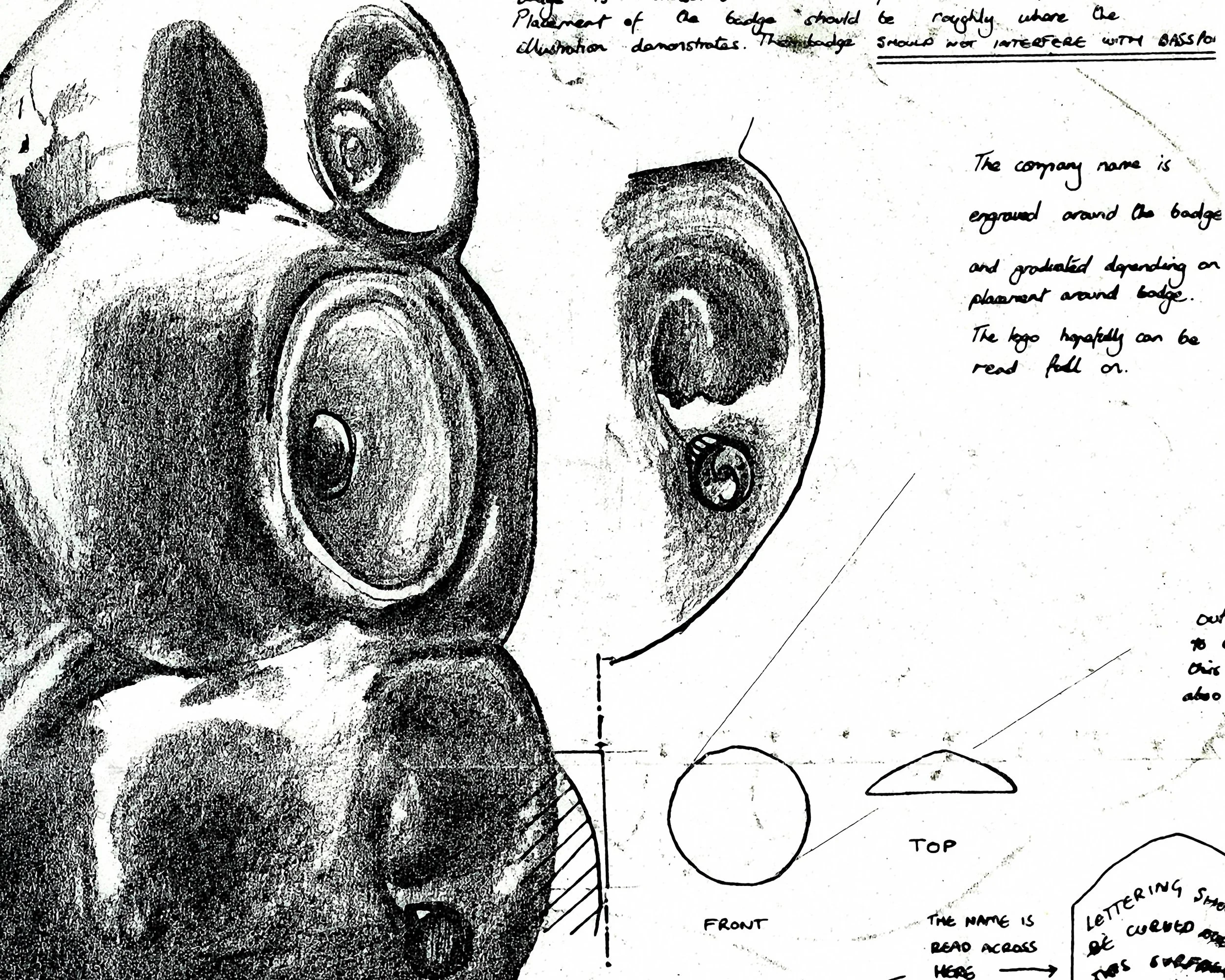
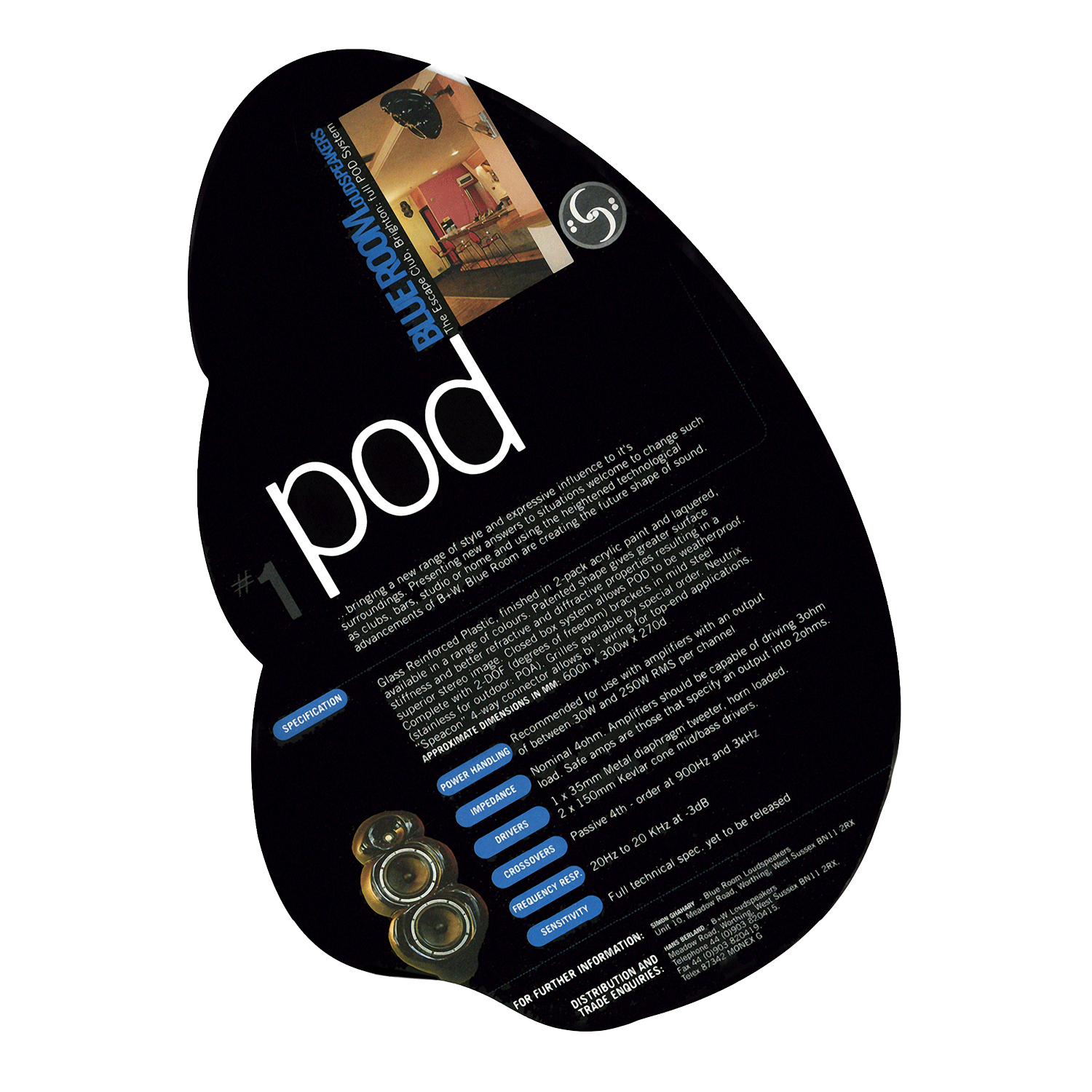
loudspeaker systems and acoustic objects
visual identity and typography
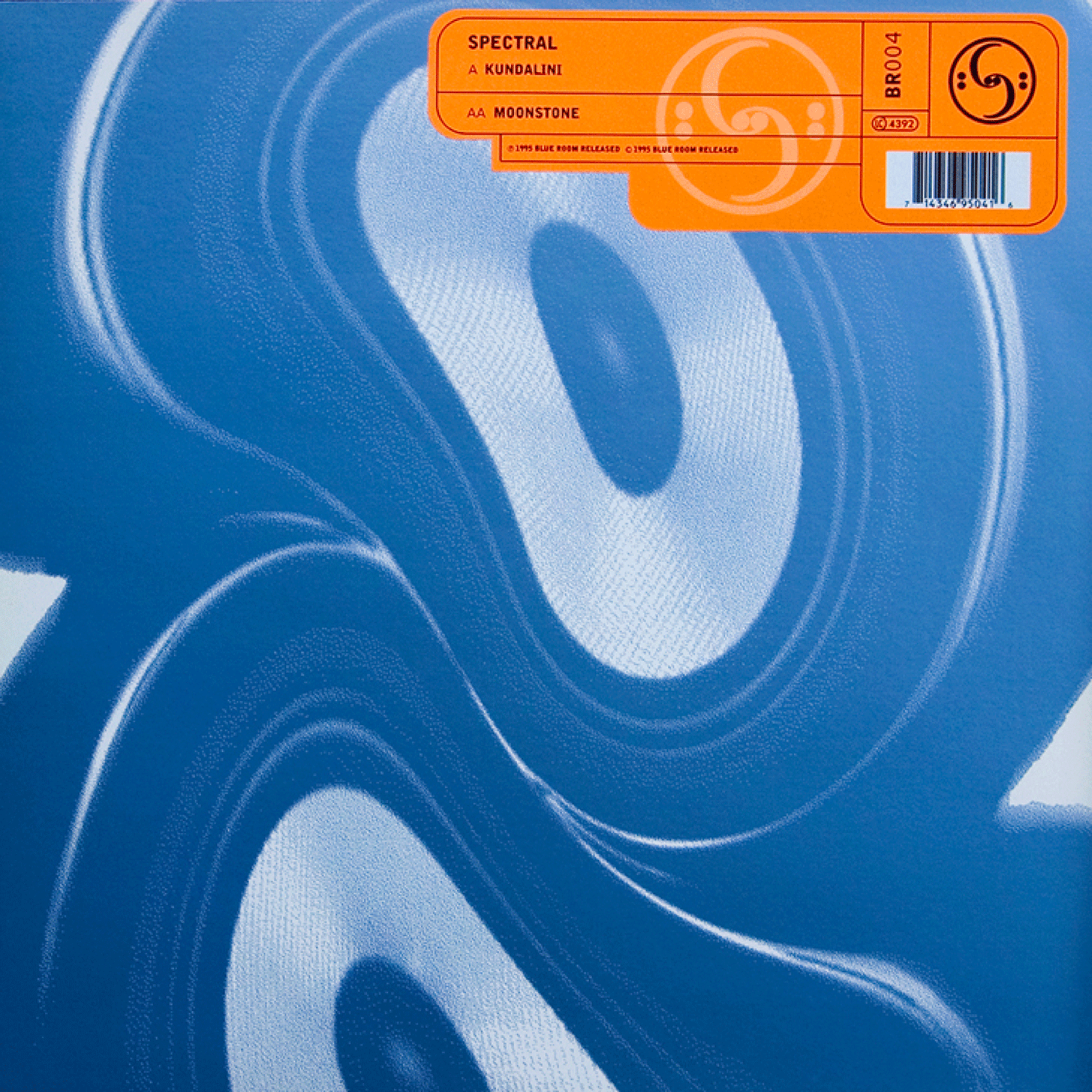
album artwork and visual language
physical releases and spatial presentation
environmental and experiential design
Sound was treated not as media, but as structure — shaping visual rhythm, material expression, and spatial experience.
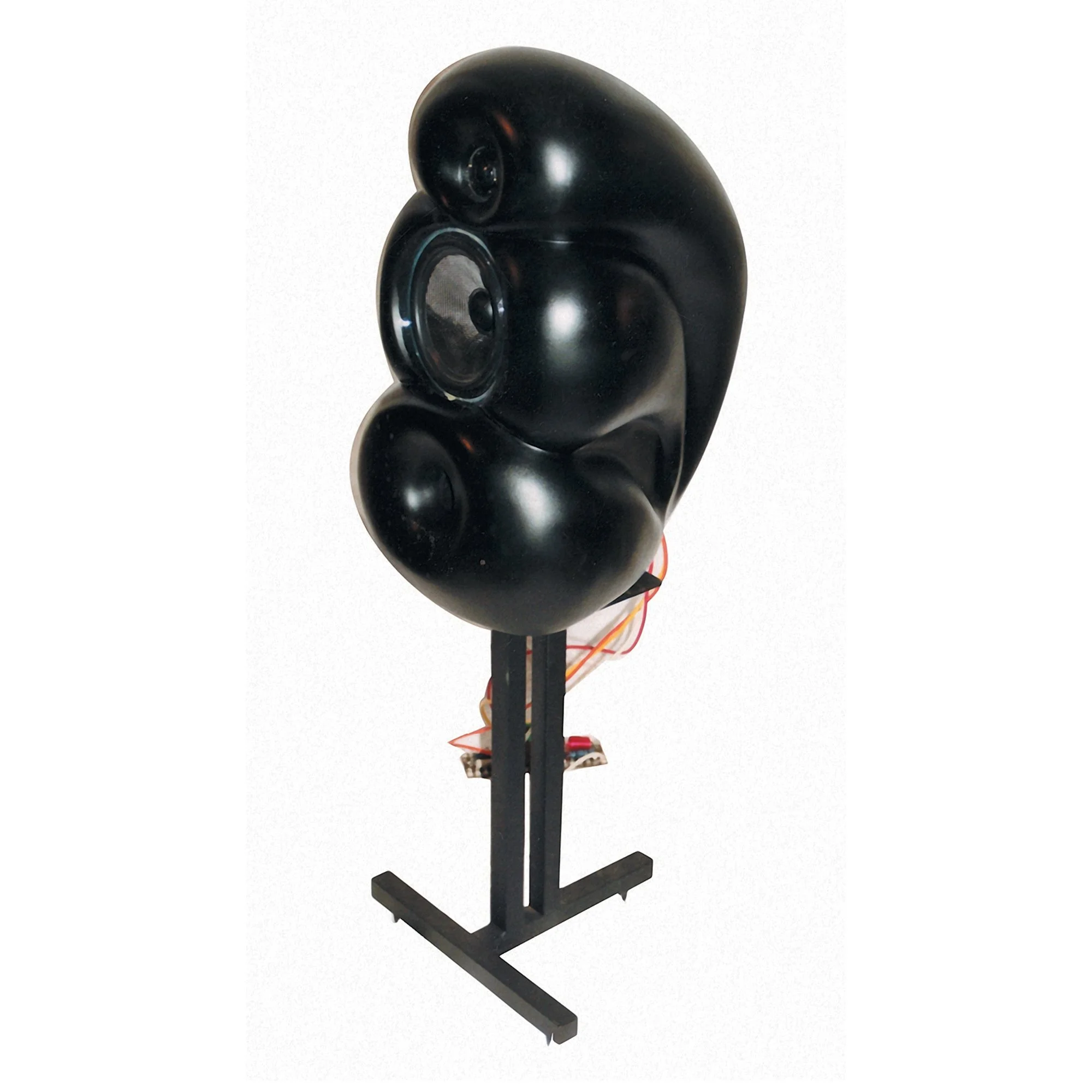
Visual Language & Album Culture
Club, Domestic & Cultural Sound Objects
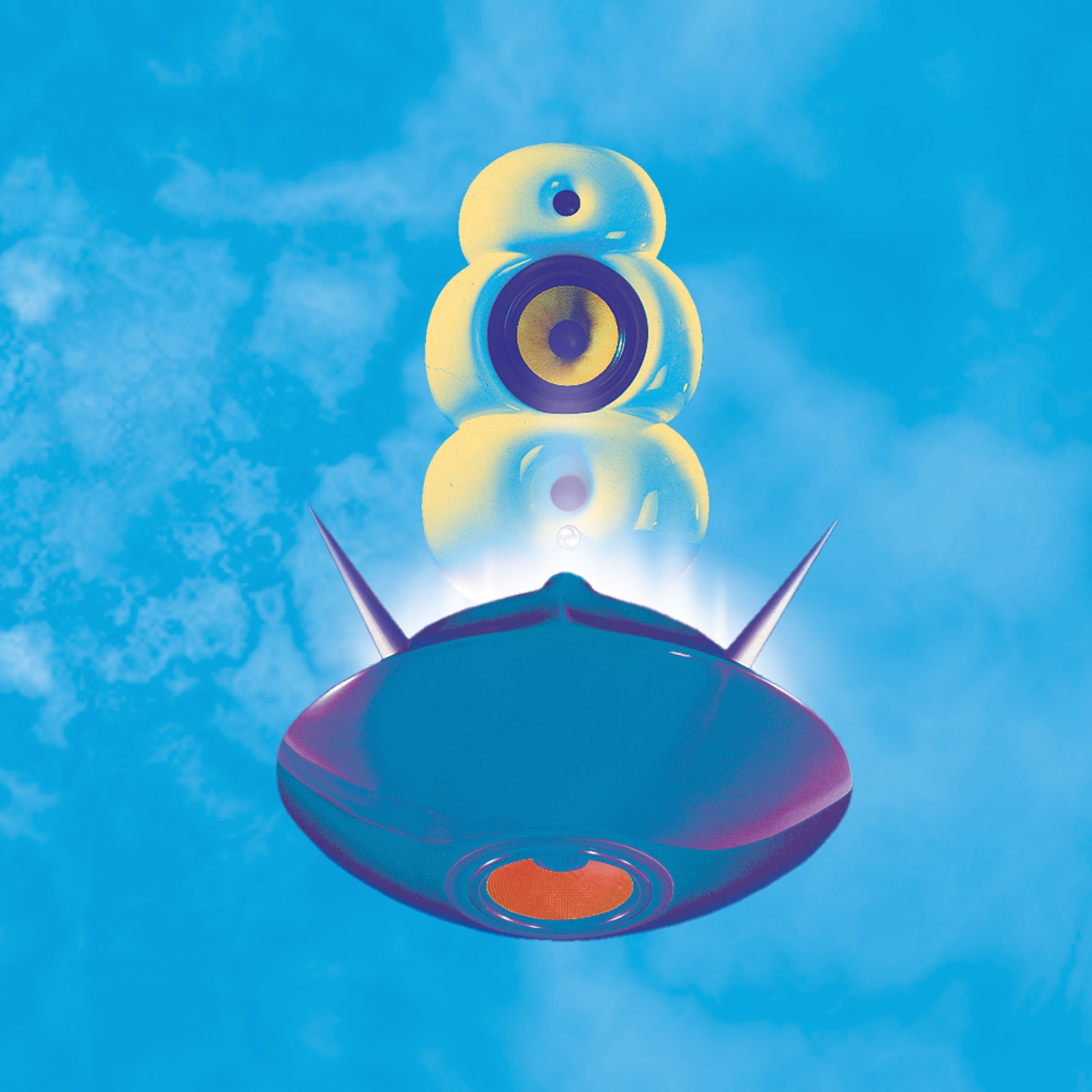
Early visual work developed in direct dialogue with electronic music culture.
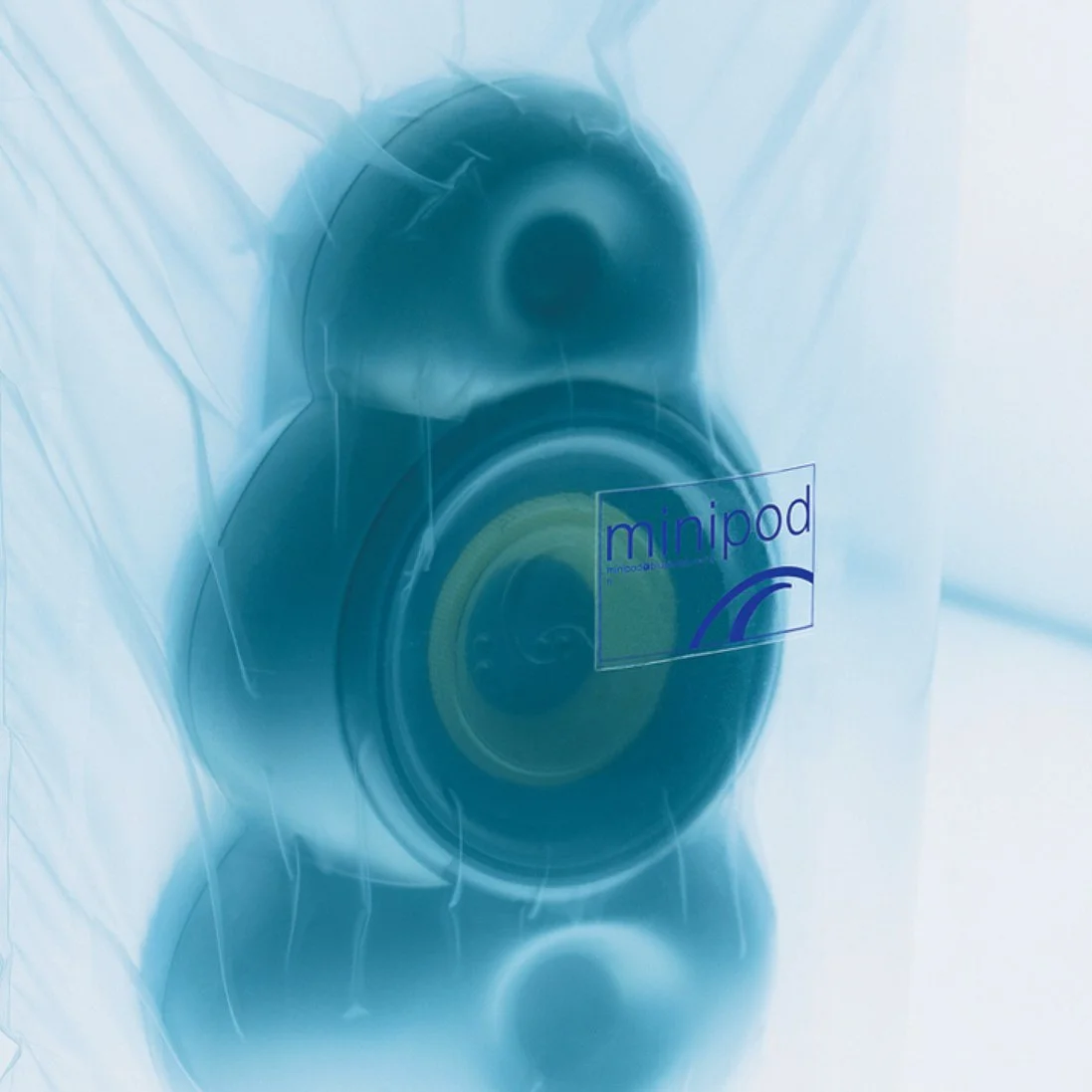
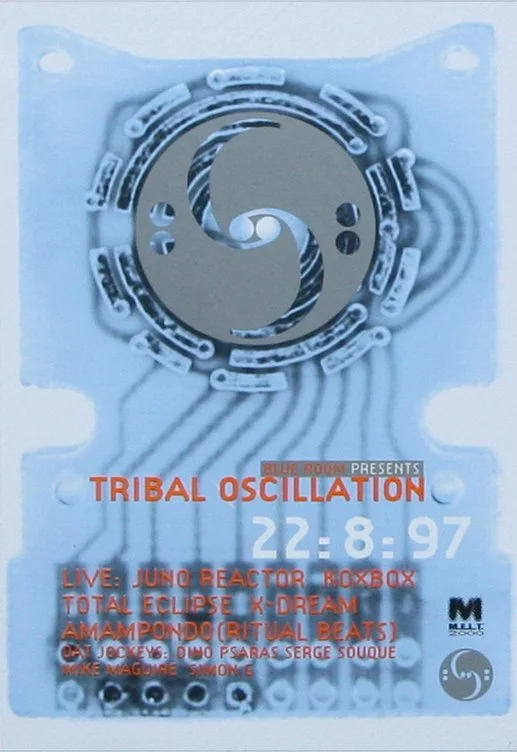
Album covers, printed matter, and visual systems were designed as part of a total environment, where sound, image, and object operated together in a relational context. Audiences engaged with album covers not only as visual artifacts but as tactile interfaces that shaped how the music was experienced, while installations invited listeners to become participants, moving through spaces where the boundaries between sound, object, and observer continually shifted. The environment emerged from these interactions: perception and meaning were created through the relationships among listeners, physical objects, and the spaces they inhabited.
Key principles established during this period:
visual rhythm informed by sound
abstraction grounded in structure
artwork as cultural signal rather than decoration
image as extension of sonic identity

Sound Systems & Object Thinking
From Equipment to Object
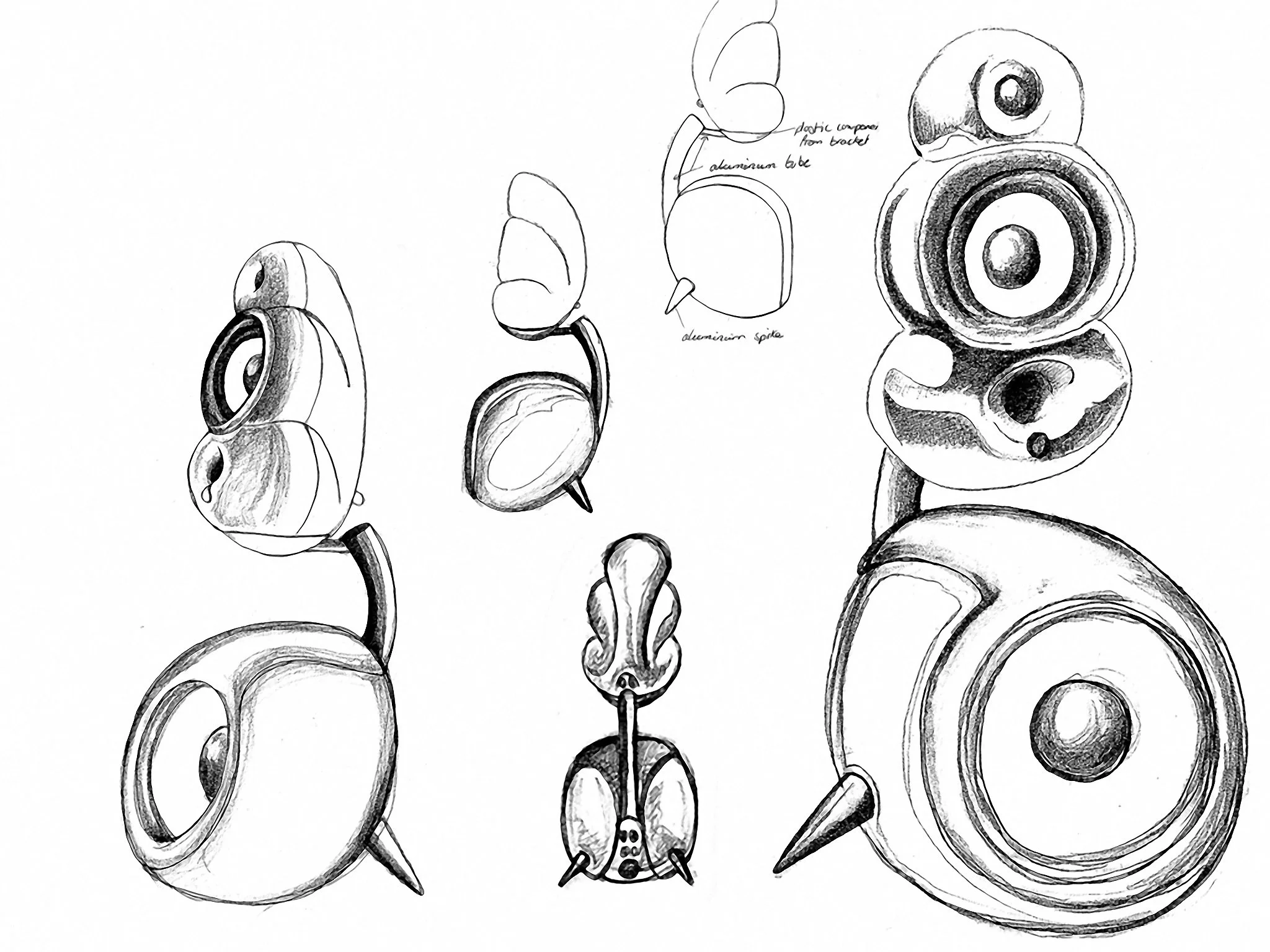
The exploration of sound naturally extended into physical form.
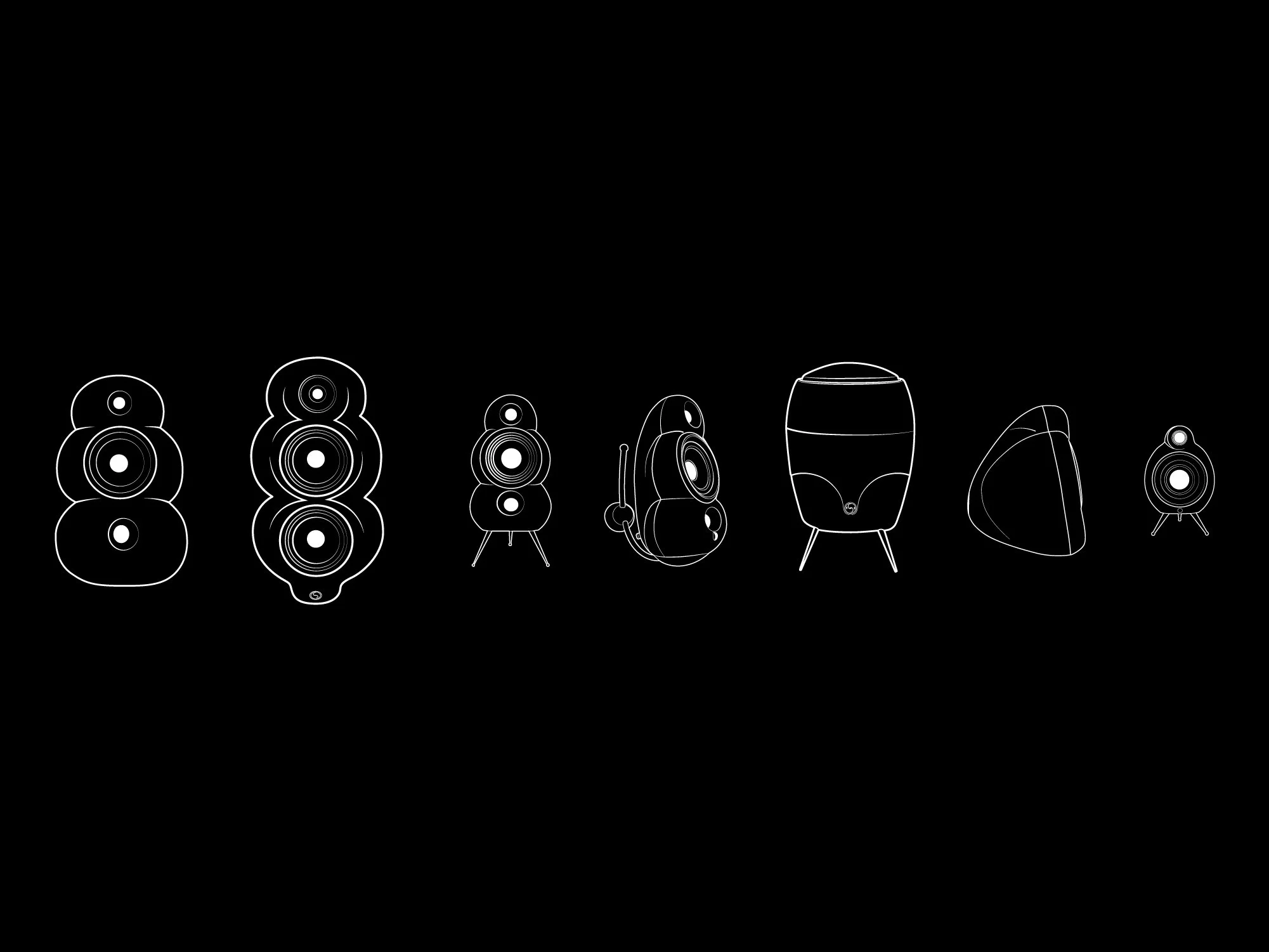
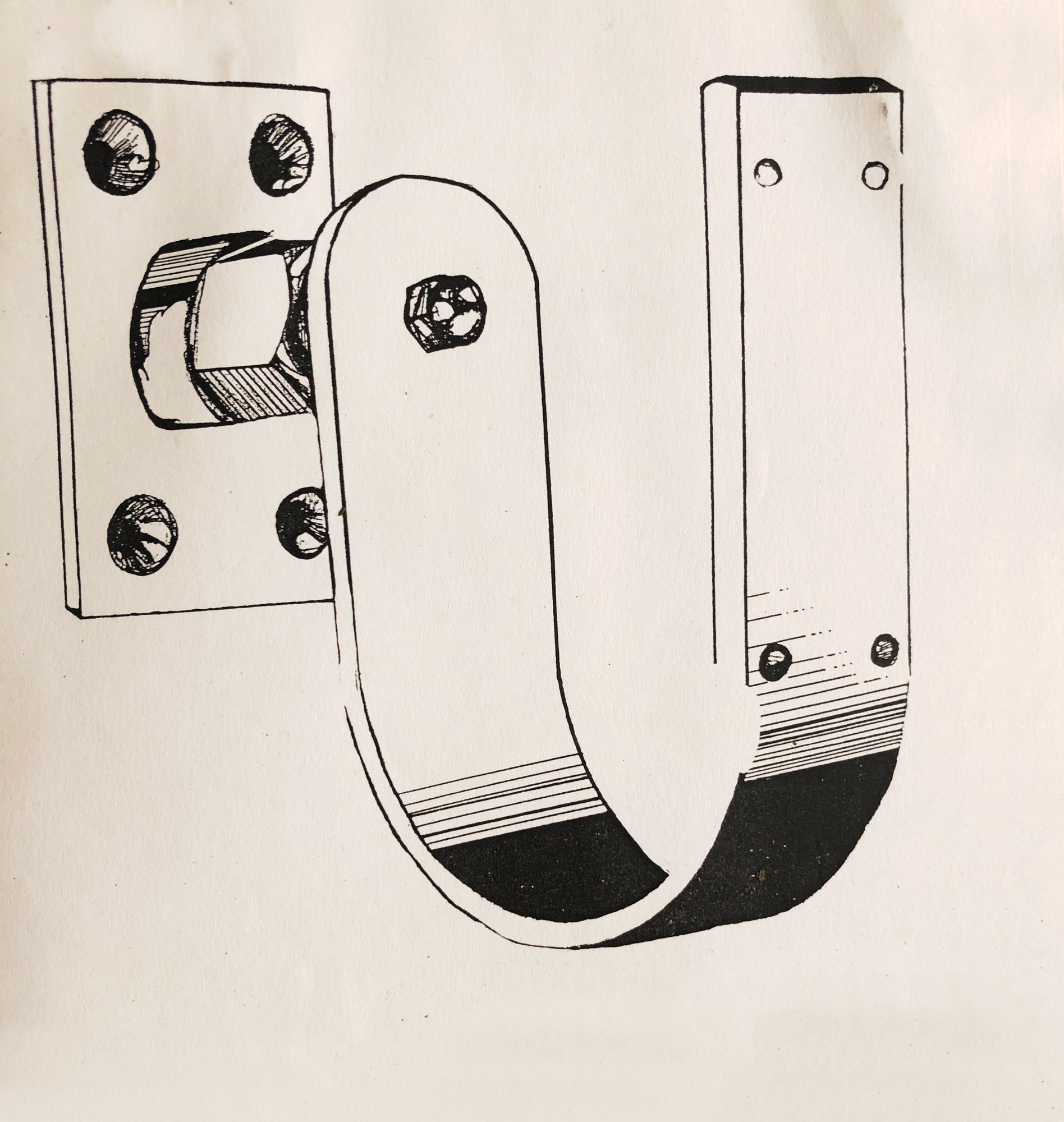
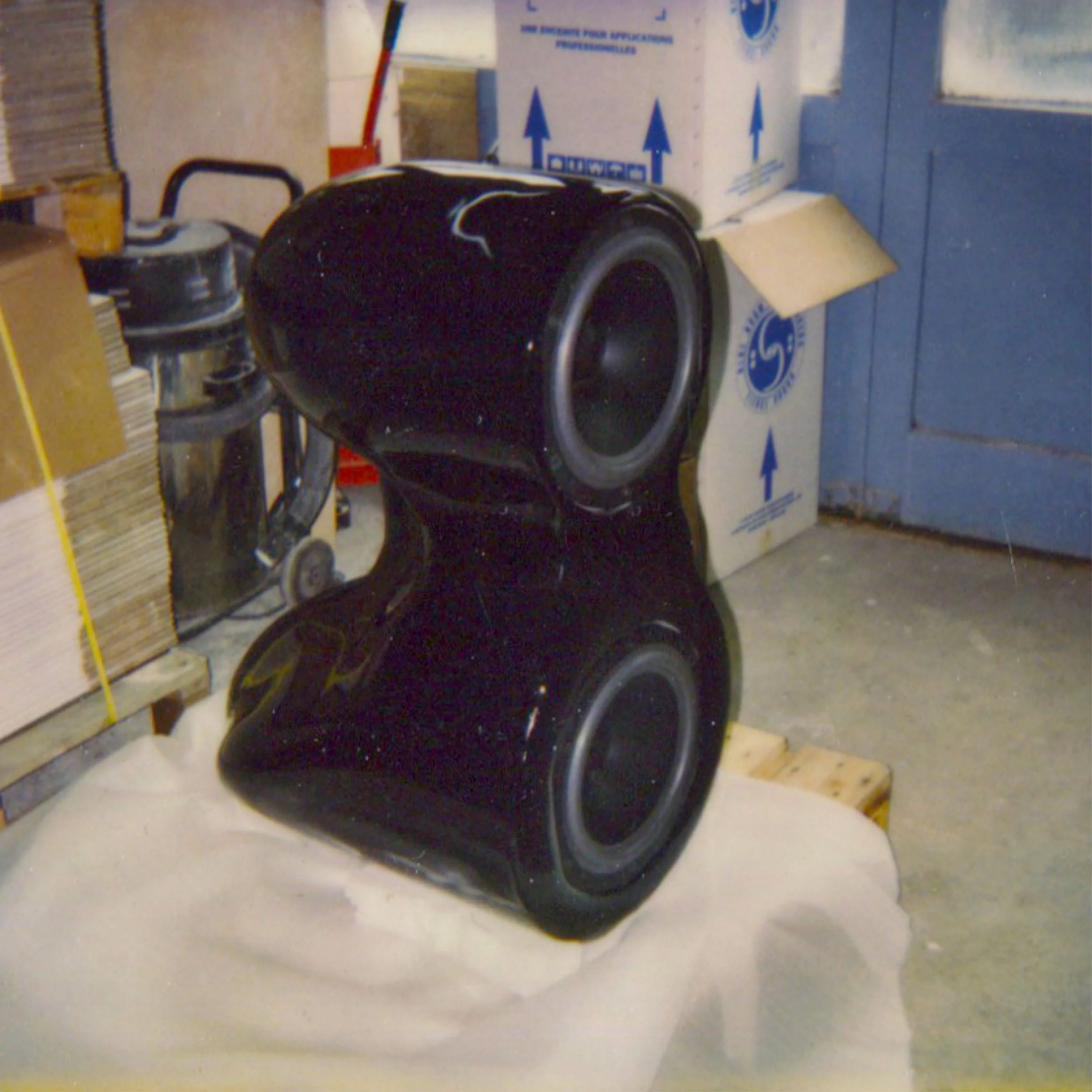
Speaker systems and audio objects were developed as sculptural entities — balancing engineering logic with symbolic presence.
These early investigations form the conceptual foundation for later functional sound sculpture and spatial audio work.
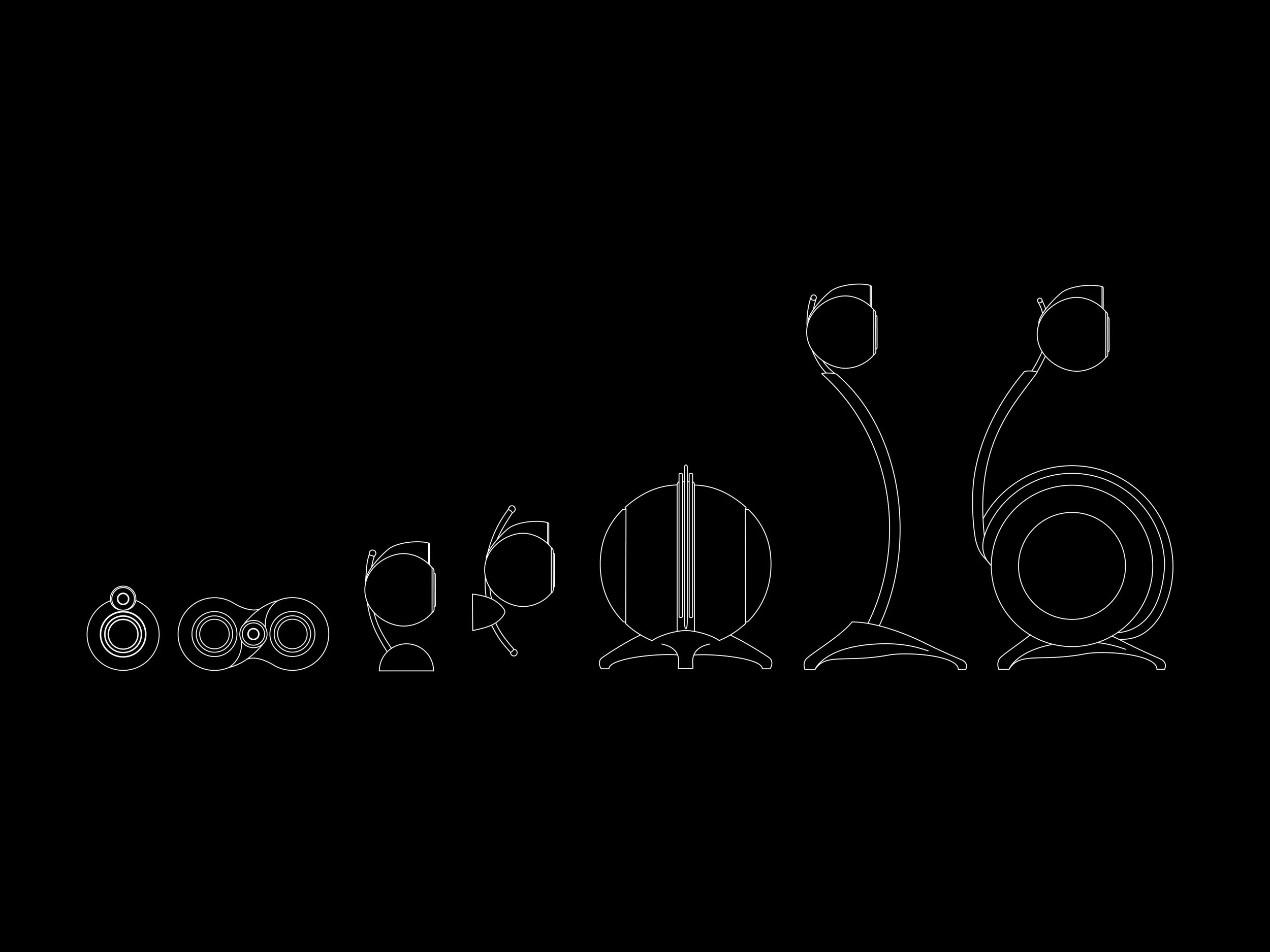
2000s —Continuity of Practice
The current practice — including sculptural sound systems, installations, and object-based work — builds directly on these foundations.
Across all periods, a consistent intention remains:
What might it feel like to see sound, to move through its visible and physical language? Imagine yourself stepping into an installation, where sound shapes the space around you and every vibration becomes part of your experience. The work invites you to envision your own encounter with audible form.
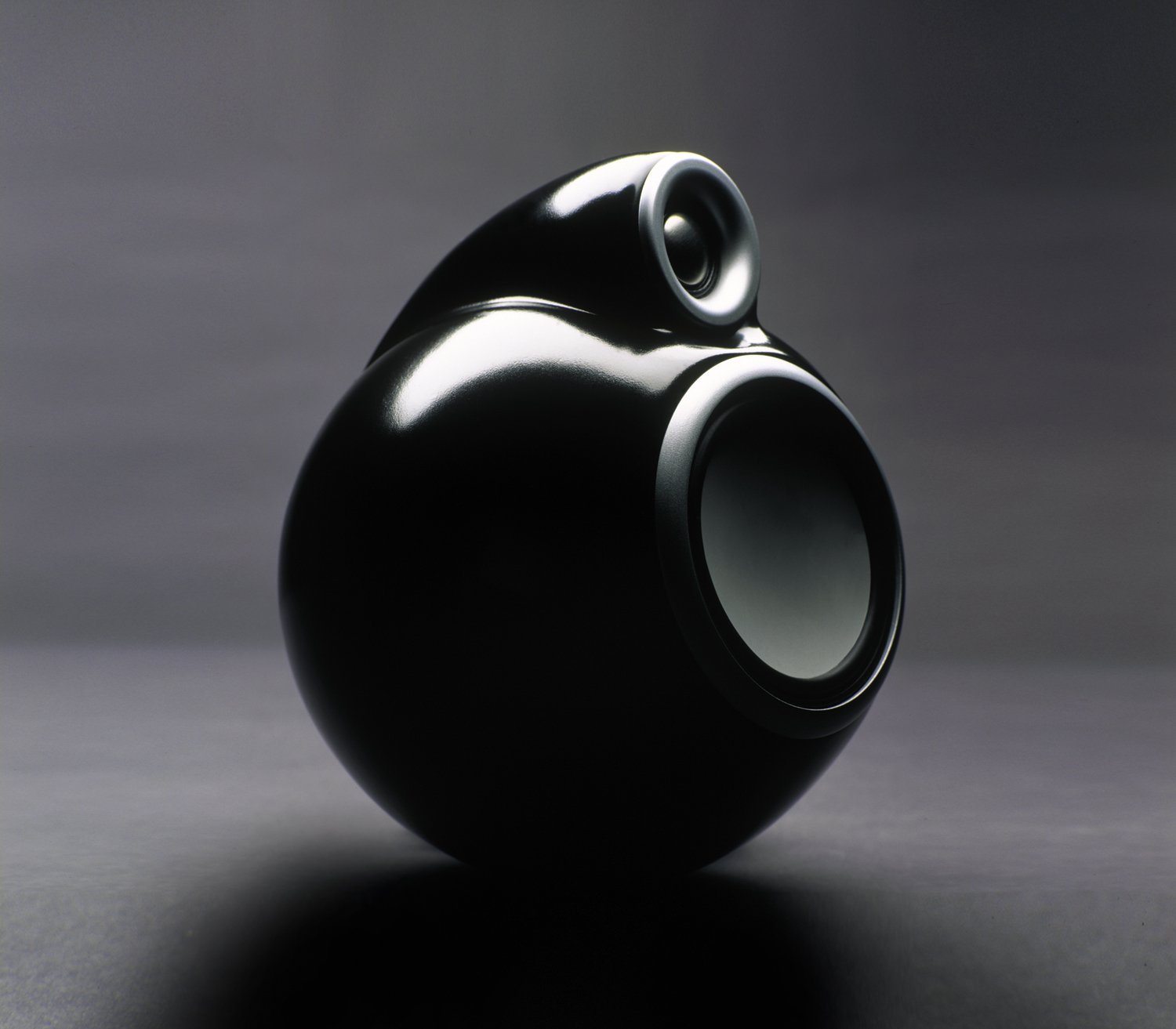
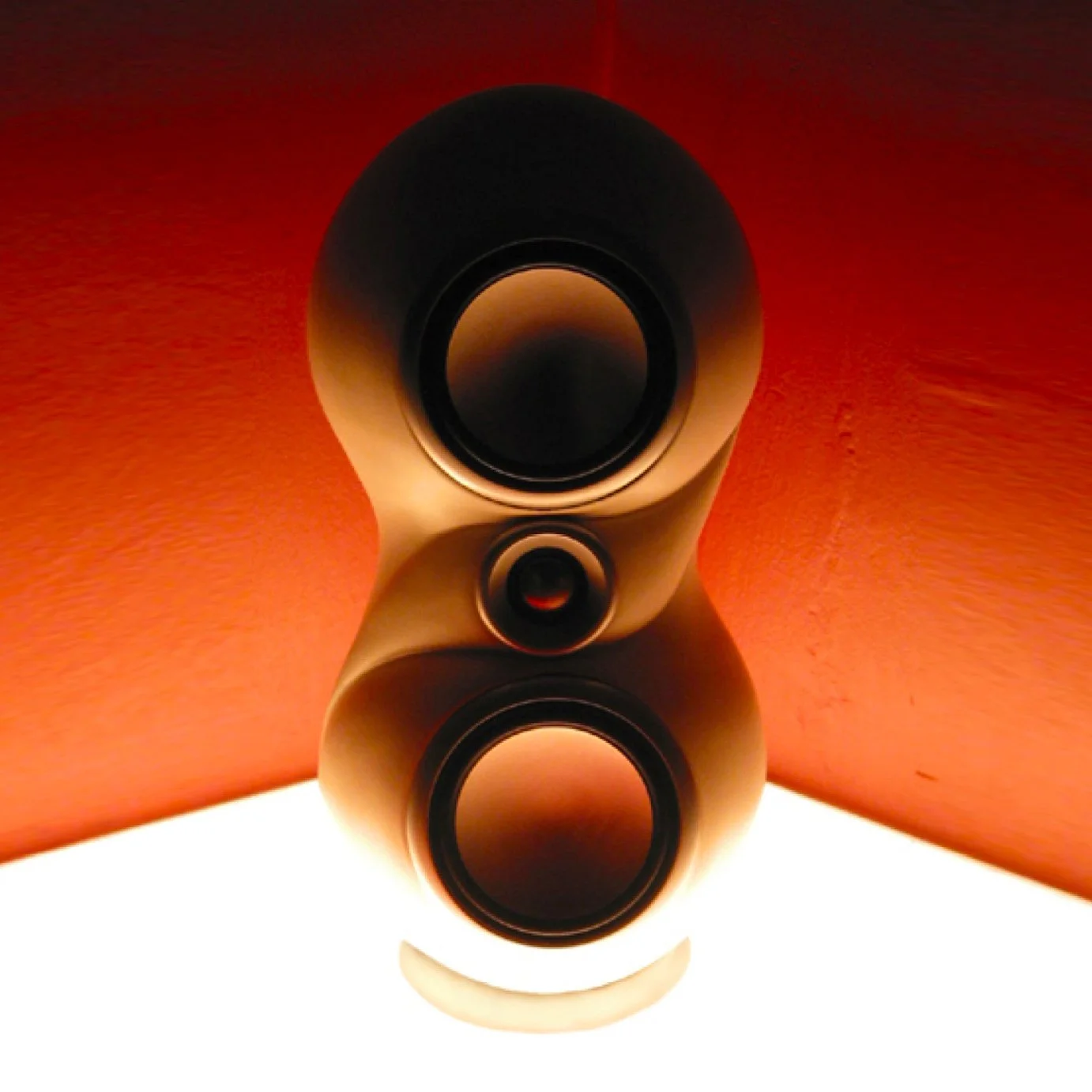
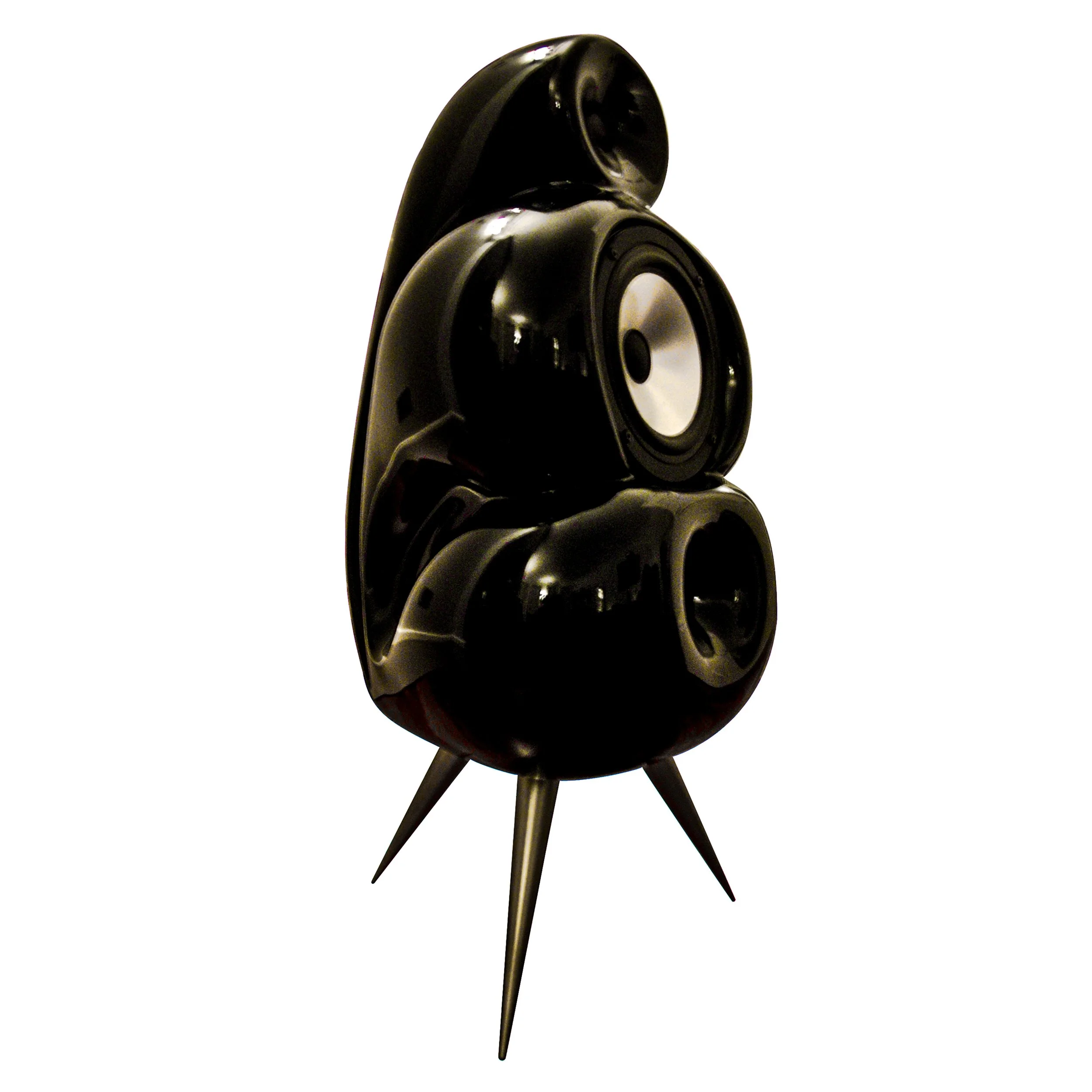

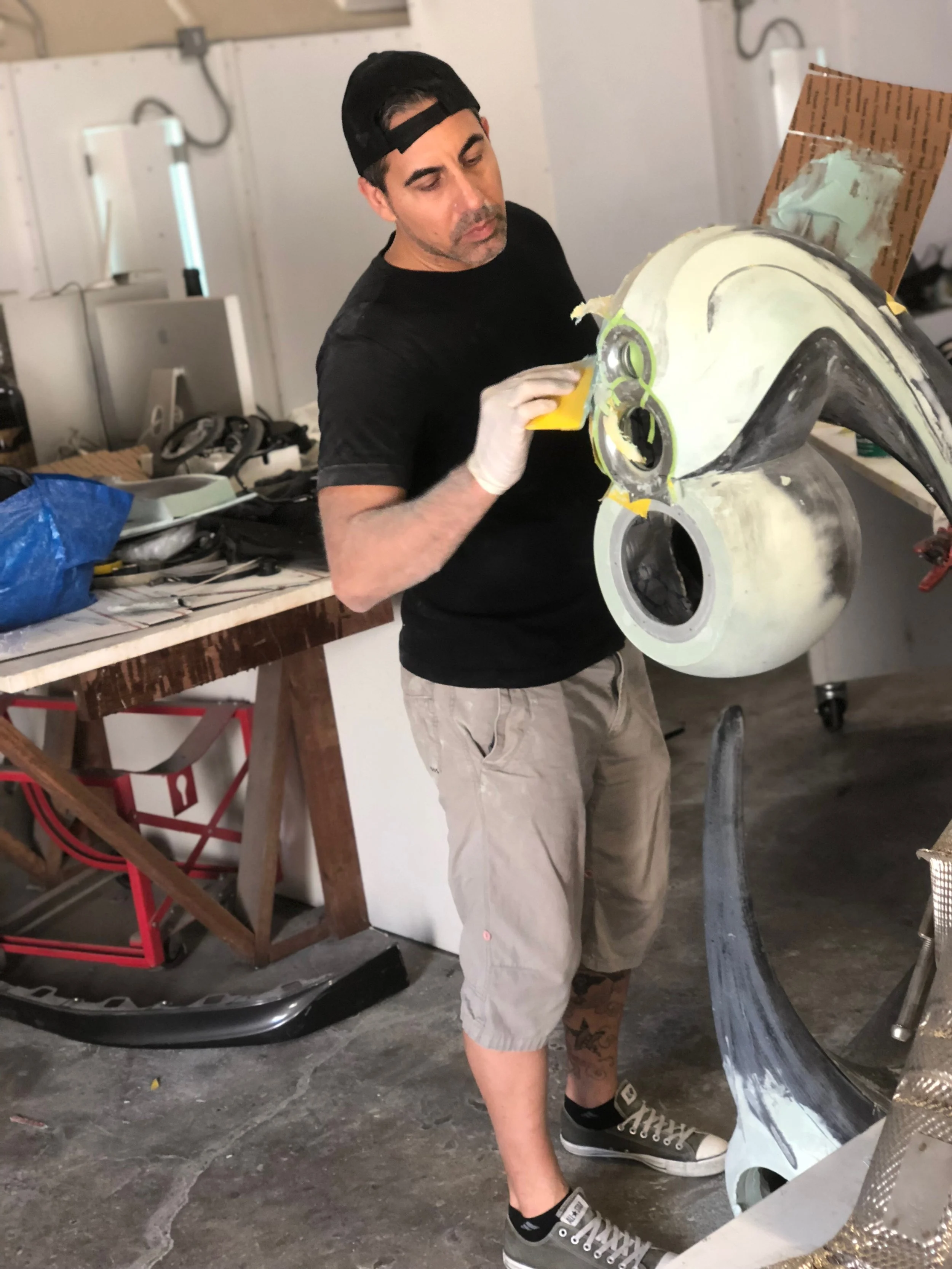
Now - Voyager Sound Systems
From Foundation to Present
The research and experimentation developed through Blue Room established the framework for ongoing work in:
functional sound sculpture
spatial audio systems
installation environments
object-based artistic practice
Current work
Voyager Sound Systems (limited editions)
Product Design & Partnerships
Blue Room Archive
→ Back to Archive
→ View current work
Related Archives: